
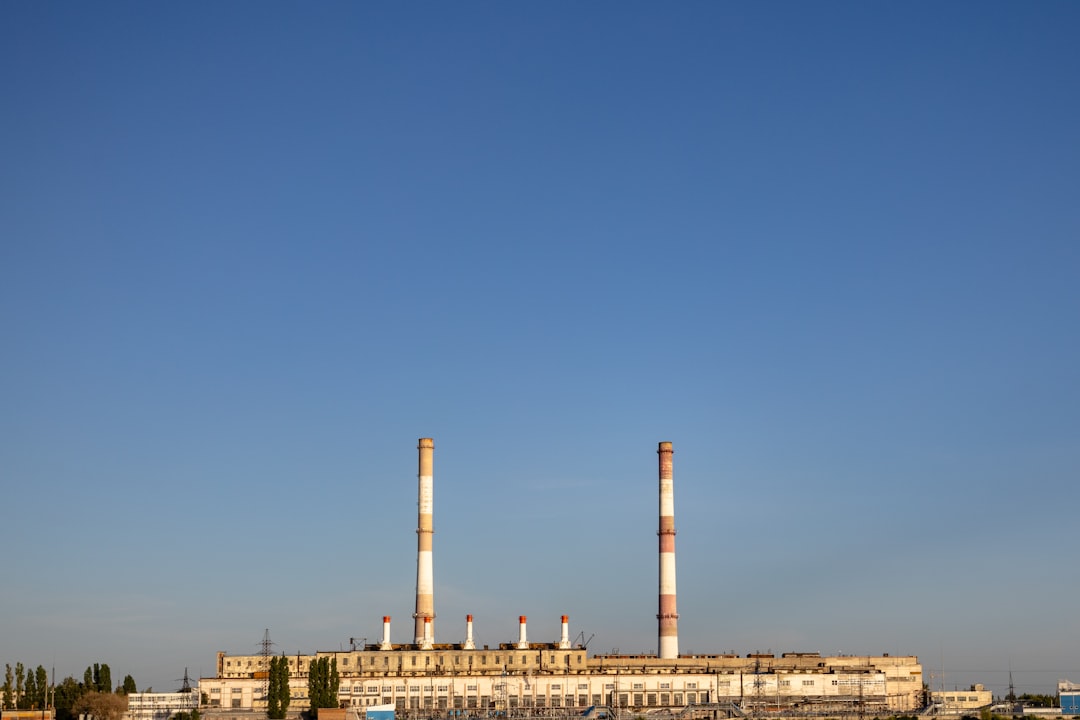
Fraunhofer Platform Targets Industrial-Scale Efficiency
Fraunhofer’s new electrolysis platform, unveiled in mid-June 2026, focuses on the efficient manufacture of hydrogen and chemical products, addressing two persistent industrial pain points: energy consumption per kilogram of hydrogen produced and the integration of intermittent renewable electricity. The platform offers modular testing infrastructure designed to help equipment manufacturers and end-users validate performance claims before committing capital—a critical step for compliance officers building business cases around 2030 and 2032 renewable hydrogen procurement targets under RED III.
For compliance and marketing directors, the Fraunhofer work signals that electrolyser original equipment manufacturers are moving beyond lab prototypes into industrially relevant configurations. This matters because RED III’s strict additionality and temporal correlation rules for renewable electricity mean that only genuinely efficient, grid-responsive electrolysers will deliver hydrogen that qualifies for multipliers and avoids CBAM carbon border adjustment exposure when feedstocks cross borders.
Imperial College Tackles Hidden Hydrogen Crossover Losses
Separately, Imperial College London researchers published findings on hydrogen crossover—a phenomenon where hydrogen molecules slip through the electrolyte membrane, degrading both efficiency and safety. The study identifies materials and operating conditions that minimize crossover, directly addressing one of the hidden inefficiencies that inflates the real-world cost of green hydrogen relative to grey hydrogen from steam methane reforming.
Parallel work at MIT on cheaper catalyst materials and a ScienceDaily-reported breakthrough in cost-effective, eco-friendly production underscore a broader trend: the global research community is converging on solutions that lower the levelized cost of hydrogen, making compliance with ReFuelEU’s 2% SAF mandate by 2025—and the steeper 2030 targets—economically viable for airlines and fuel blenders alike.
What It Means for Compliance and Procurement Teams
These advances arrive at a pivotal moment. RED III’s revised renewable energy directive sets binding sub-targets for renewable fuels of non-biological origin (RFNBOs)—essentially green hydrogen and its derivatives—in transport. ReFuelEU Aviation mandates escalating SAF blending percentages, and the 2035 internal combustion engine phase-out in light-duty vehicles is driving automakers toward hydrogen fuel cells and battery-electric platforms. Compliance officers must now evaluate electrolyser technology maturity, offtake agreements, and certification pathways (CertifHy, TÜV SÜD) to ensure that hydrogen purchases will count toward regulatory obligations and avoid retroactive penalties or CBAM adjustments.
Marketing directors, meanwhile, can leverage certified green hydrogen sourcing as a differentiator in corporate sustainability reports and investor disclosures, particularly where scope 3 emissions from purchased fuels represent a material line item. The Fraunhofer platform and Imperial research collectively suggest that the technology risk premium previously baked into green hydrogen business cases is declining—making now an opportune time to lock in long-term offtake agreements and secure early-mover reputational advantage.
Sources
- Electrolysis Platform—Efficient Manufacture of Hydrogen and Chemical Products
- Insights from Imperial study could improve green hydrogen production
- Toward cheaper, cleaner hydrogen production | MIT News
- Green hydrogen has a hidden problem and scientists may have fixed it
Featured image via Unsplash.











Leave a Reply