

Capacity Expansion Drives Industry Momentum
U.S. sustainable aviation fuel production reached 15.8 million gallons in 2022, a modest baseline that is now set to expand dramatically. According to the U.S. Energy Information Administration, domestic production capacity is projected to grow to approximately 1.7 billion gallons by 2027 as new facilities come online. This represents more than a 100-fold increase, driven by a combination of retrofitted petroleum refineries, purpose-built biorefineries, and emerging power-to-liquid e-fuel plants.
The scale-up reflects both policy momentum and commercial demand. Airlines are under pressure from regulators—particularly in Europe under the ReFuelEU Aviation mandate—and from corporate sustainability commitments. Major industry players are responding: Boeing recently announced its largest-ever purchase of blended sustainable aviation fuel, underscoring the shift from pilot programs to operational integration. SAF blends can reduce lifecycle greenhouse gas emissions by up to 80 percent compared to conventional jet fuel, making them a critical near-term decarbonization lever for an industry that has few alternative pathways.
Production Pathways and Feedstock Diversity
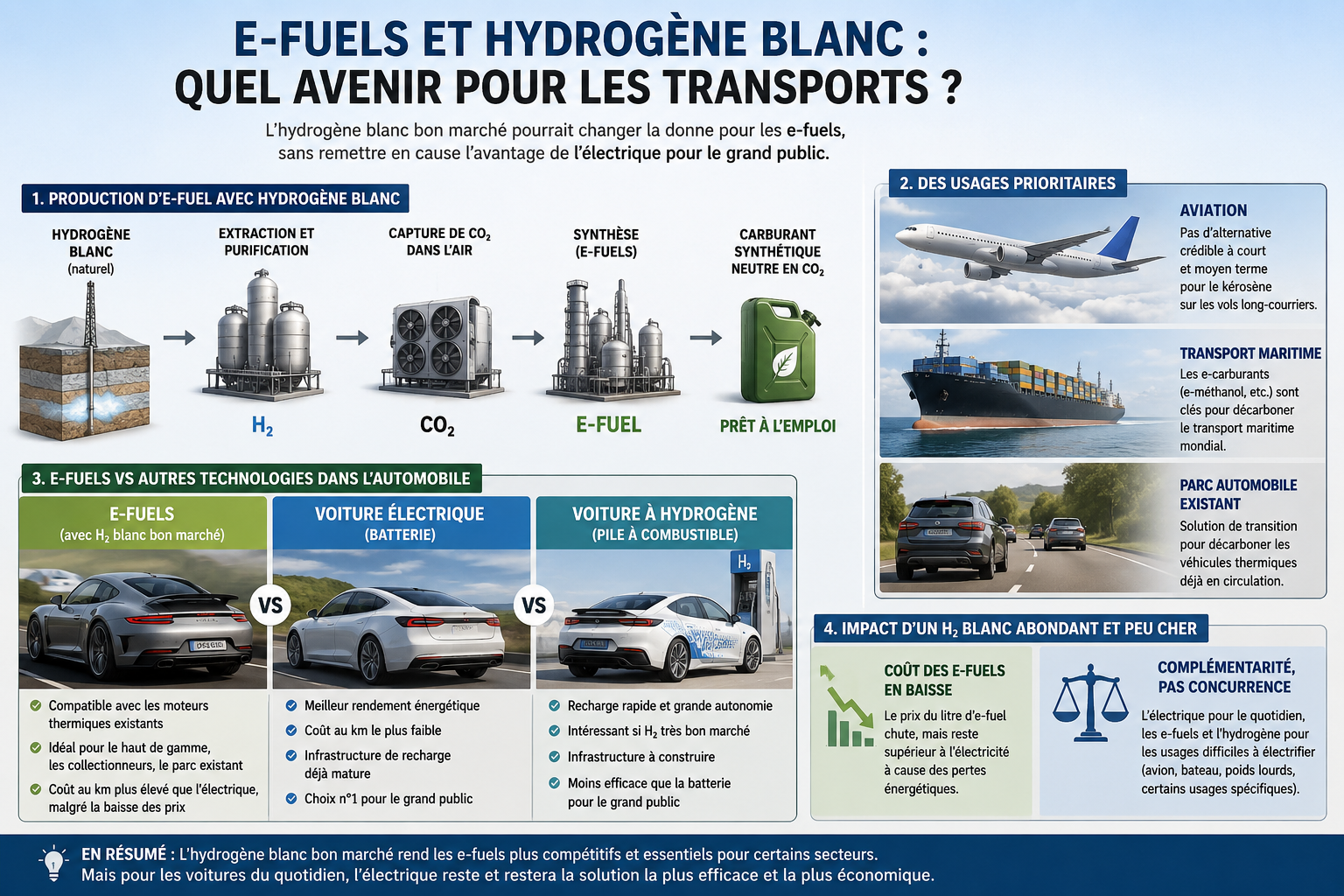
Sustainable aviation fuel is produced through multiple certified pathways, including hydroprocessed esters and fatty acids (HEFA), Fischer-Tropsch synthesis, alcohol-to-jet, and gasification processes. Feedstocks range from waste oils and agricultural residues to municipal solid waste and, increasingly, renewable electricity and captured CO2 for synthetic e-fuels. This diversity is essential: no single pathway or feedstock can meet the volumes required to decarbonize global aviation, which consumed over 100 billion gallons of jet fuel in 2019.
Market forecasts suggest SAF could account for approximately 5.5 percent of global jet fuel demand by 2030, a figure that climbs significantly in scenarios aligned with net-zero aviation by mid-century. Investment is pouring in from energy majors, technology start-ups, and aviation stakeholders, with the sustainable aviation fuel market projected to grow at a compound annual rate exceeding 60 percent through the next decade.
Regulatory Frameworks and Commercial Viability
Policy is a critical enabler. The European Union’s ReFuelEU Aviation regulation mandates minimum SAF blending percentages at EU airports, starting at 2 percent in 2025 and rising to 6 percent by 2030. In the United States, federal tax credits and state-level low-carbon fuel standards are incentivizing production. These frameworks provide the revenue certainty that capital-intensive SAF projects require, though cost remains a challenge: SAF currently trades at a premium of two to four times conventional jet fuel, depending on pathway and feedstock.
As production scales and technology matures, costs are expected to decline. Meanwhile, scenario analysis tools—increasingly powered by artificial intelligence—are helping project developers and airlines model feedstock availability, regulatory trajectories, and infrastructure bottlenecks, informing both capital allocation and offtake agreements in a rapidly evolving market.
Sources
- U.S. production capacity for sustainable aviation fuel to grow – U.S. Energy Information Administration
- Boeing Makes its Largest Purchase of Blended Sustainable Aviation Fuel – Boeing Company
- What is sustainable aviation fuel and how is it made? – World Economic Forum
- Sustainable Aviation Fuel (SAF) Outlook – RMI
Featured image via Unsplash.





Leave a Reply