
Market Growth Meets Supply Reality
The sustainable aviation fuel sector is experiencing a stark divergence between market expansion and operational delivery. Research compiled in July 2026 confirms a robust compound annual growth trajectory, with major players including Shell, BP, TotalEnergies, and Neste driving commercial-scale investments. Yet the International Air Transport Association has issued a sobering assessment: despite a higher production forecast for 2026, SAF growth remains too slow to meet the aviation industry’s decarbonization timeline. This mismatch is prompting AI-driven demand modelling and scenario analysis across the synthetic-fuels ecosystem, as refiners and airlines seek to align investment cycles with regulatory deadlines under frameworks like the EU’s ReFuelEU Aviation mandate.
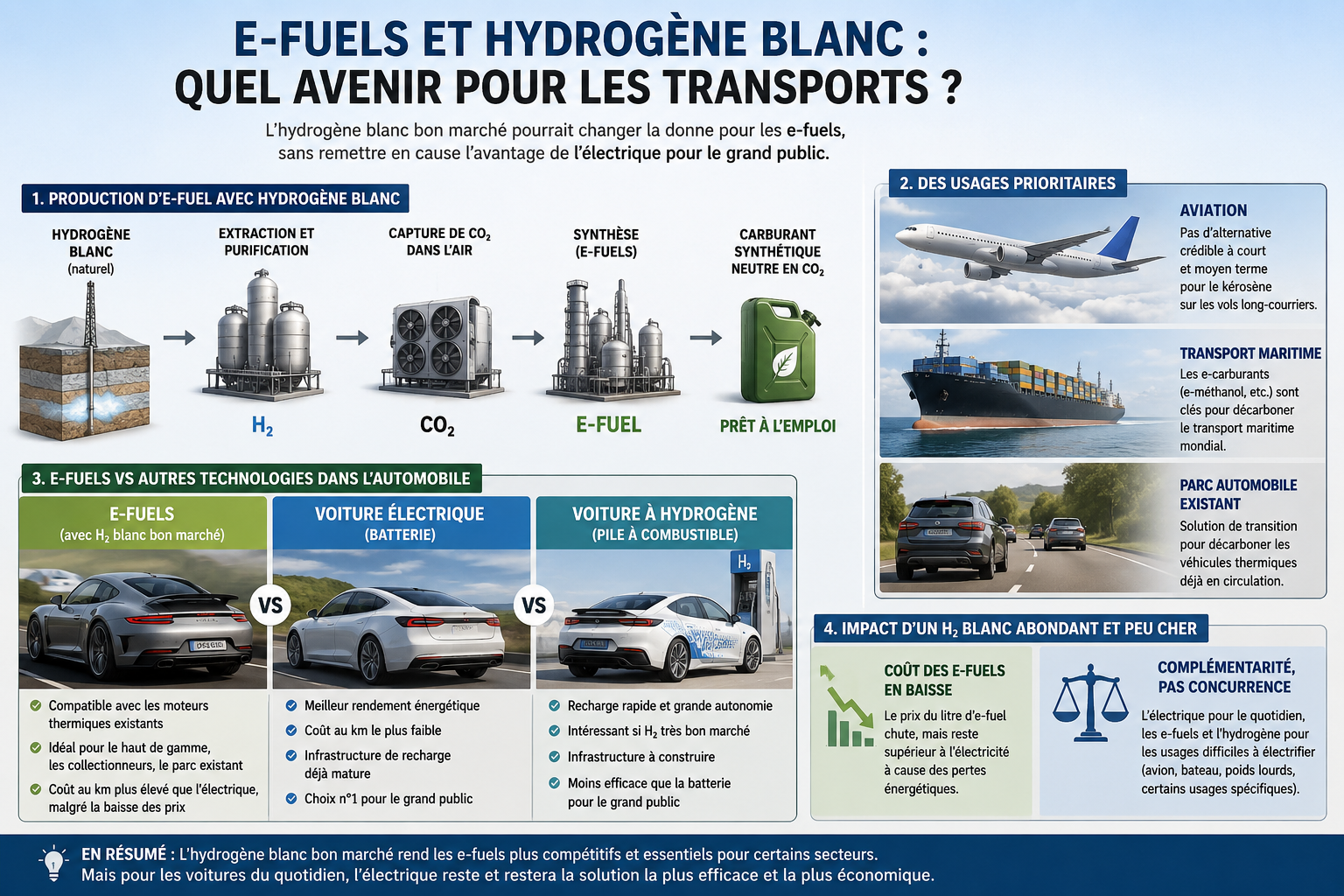
Price dynamics are beginning to stabilize, according to BloombergNEF’s latest Sustainable Aviation Fuel Price Outlook, which signals a ‘leveling off’ in the cost differential between SAF and conventional jet fuel. This plateau reflects maturing production pathways—particularly hydroprocessed esters and fatty acids (HEFA) and emerging power-to-liquid e-fuels—but also underscores the sector’s struggle to achieve the economies of scale necessary to close the competitiveness gap without subsidy support.
Regional Policy and Industrial Commitments
Airbus has taken a strategic step in the Canadian market, unveiling a comprehensive study in July 2026 on the potential of sustainable aviation fuel to support economic growth and accelerate Canada’s climate leadership. The study arrives as nations worldwide grapple with translating net-zero pledges into concrete SAF offtake agreements and infrastructure investments. Canada’s vast forestry residues and renewable electricity grid position it as a candidate for both biogenic SAF and green-hydrogen-derived e-kerosene production, though commercialization timelines remain uncertain.
The broader industry roundup for July 2026 reflects a sector in transition: announcements span feedstock diversification, refinery conversions, and partnerships linking SAF producers with carbon-capture and CO₂ utilization schemes. However, the gap between installed capacity and mandated blending percentages—particularly in the European Union, where ReFuelEU ramps up from 2% SAF in 2025 to 6% by 2030—continues to widen, raising questions about compliance costs and the risk of supply bottlenecks.
The Path Forward for SAF Scaling
Achieving the $10.27 billion market projection by 2032 will require more than incremental capacity additions. Industry observers point to three critical enablers: first, policy certainty that bridges the gap between national incentives and global standards; second, breakthrough cost reductions in electrolysis and direct-air-capture technologies that underpin e-fuel pathways; and third, demand aggregation mechanisms that de-risk long-term offtake contracts. The RMI Sustainable Aviation Fuel Outlook and other analytical frameworks are tracking these variables closely, providing stakeholders with scenario planning tools as the sector navigates its most decisive years.
Sources
- Airbus unveils study on the potential of sustainable aviation fuel to support economic growth and accelerate Canada’s climate leadership
- Sustainable Aviation Fuel Market – Global Forecast 2026-2032 Now Available — Forecasts Growth from $2.37B to $10.27B
- IATA warns SAF growth remains too slow despite higher production forecast for 2026
- Sustainable Aviation Fuel Price Outlook: Leveling Off
Featured image via Unsplash.






Leave a Reply