
Port‑Centric Infrastructure and Revised National Strategy
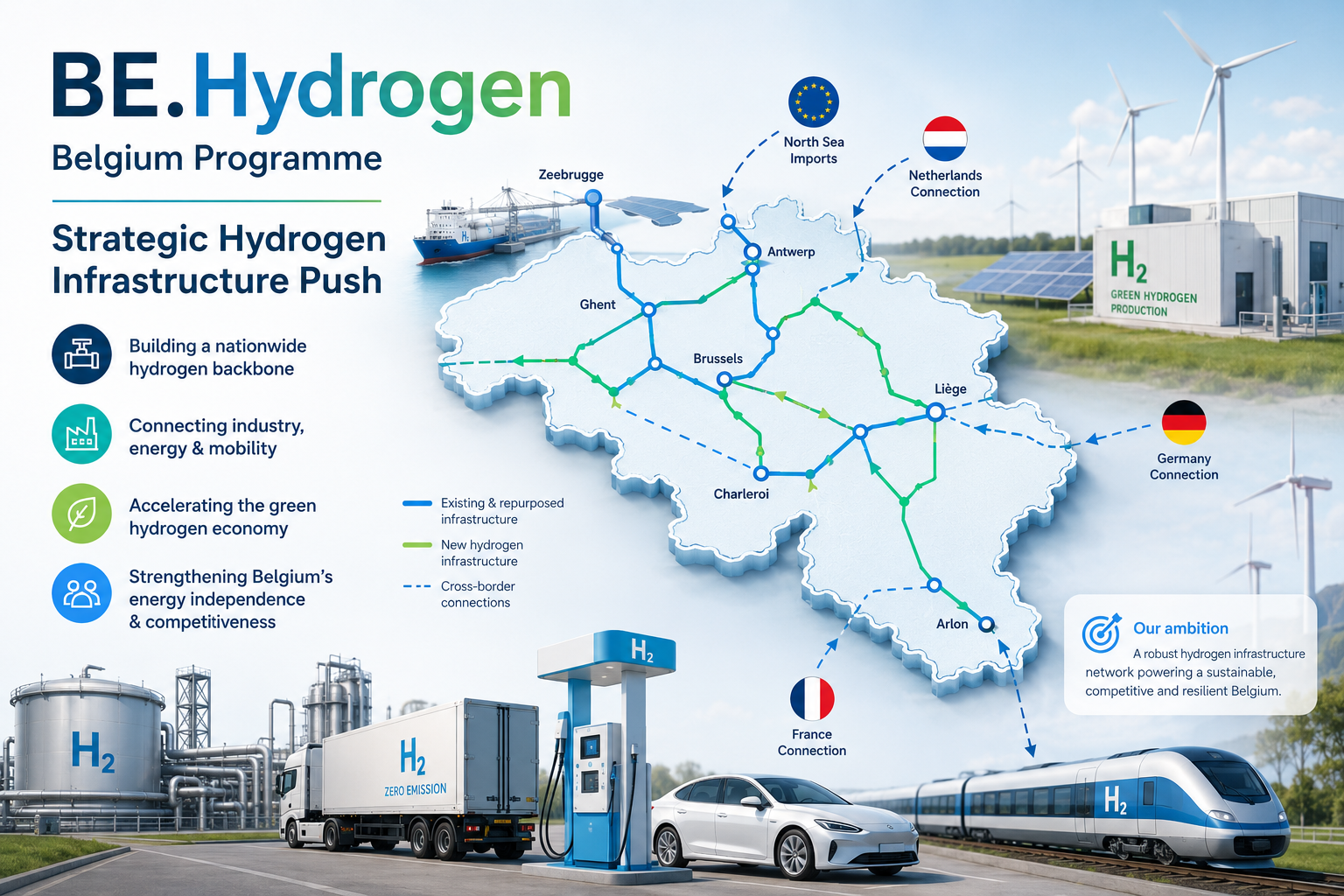
Belgium’s revised hydrogen strategy, unveiled at the Port of Antwerp‑Bruges, places the port complex at the centre of both import and domestic production efforts. The strategy reflects the country’s role as a transit and distribution gateway for Northwestern Europe, connecting North Sea wind resources, industrial off‑takers in the Scheldt basin, and emerging cross‑border pipelines. The BE.Hydrogen programme provides the policy and funding framework underpinning these ambitions, linking federal, regional, and municipal initiatives.
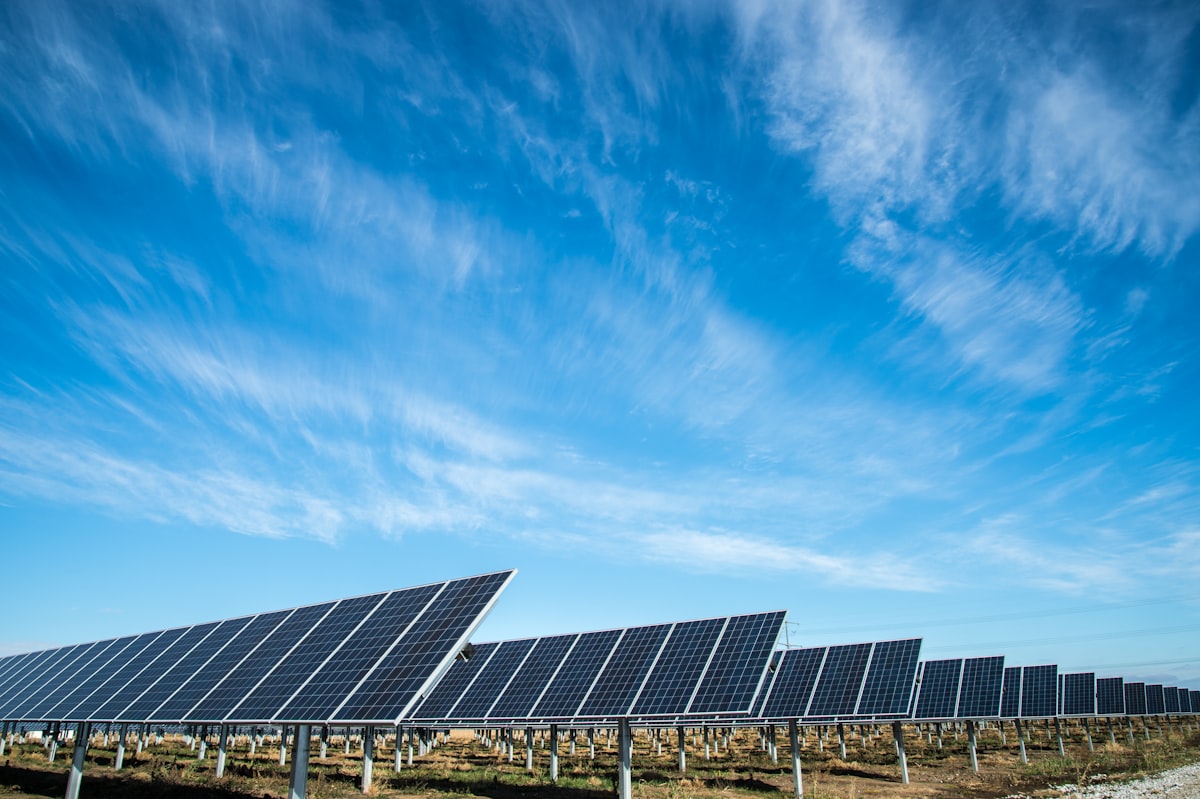
A hydrogen solar park project—set to launch in 2026—exemplifies the programme’s push toward decentralised renewable‑hydrogen production. By pairing photovoltaic generation with on‑site electrolysis, the project aims to demonstrate scalable, low‑carbon hydrogen supply for both local industry and broader logistics networks anchored at the port.
Valley Collaboration and the Antwerp Gathering
The Hydrogen Valleys Days—scheduled for 4–8 May 2026 in Antwerp—will bring together stakeholders from across the European hydrogen‑valley ecosystem. Organised by the Clean Hydrogen Partnership, the event underscores Belgium’s ambition to serve not only as a national hub but also as a convenor for interregional knowledge exchange. Valley initiatives in Belgium align with broader programmes in neighbouring countries, facilitating shared learning on offtake contracts, electrolyser deployment, and pipeline interconnections.
Belgium’s geographic position and port infrastructure make it a natural partner for hydrogen corridors linking the Benelux, Germany, and France. The BE.Hydrogen programme is expected to play a coordinating role in harmonising technical standards, permitting timelines, and public co‑funding mechanisms across these corridors.
Geological Hydrogen and Long‑Term Resource Potential
Belgium’s Federal Climate Minister has publicly acknowledged the possibility of natural hydrogen reserves—colloquially termed “white gold”—beneath Belgian territory. While exploration remains at an early stage, the prospect of geological hydrogen adds a strategic dimension to BE.Hydrogen’s mandate, potentially diversifying supply sources beyond electrolytic and imported volumes. Should commercial deposits be confirmed, the programme’s regulatory and infrastructure frameworks would need to accommodate both renewable and naturally occurring hydrogen streams, a development that could accelerate timelines and reduce reliance on offshore wind‑powered electrolysis alone.
Sources
- Event announcement: Hydrogen Valleys Days – 4–8 May 2026, Antwerp, Belgium – Clean Hydrogen Partnership
- Belgium’s revised hydrogen strategy unveiled at Port of Antwerp-Bruges – Innovation News Network
- Hydrogen solar park Belgium: Unique Project Set for 2026 – PVknowhow
- Belgium | European Hydrogen Observatory
Featured image via Unsplash.







Leave a Reply