
What the Project Does — and Why Scale Matters
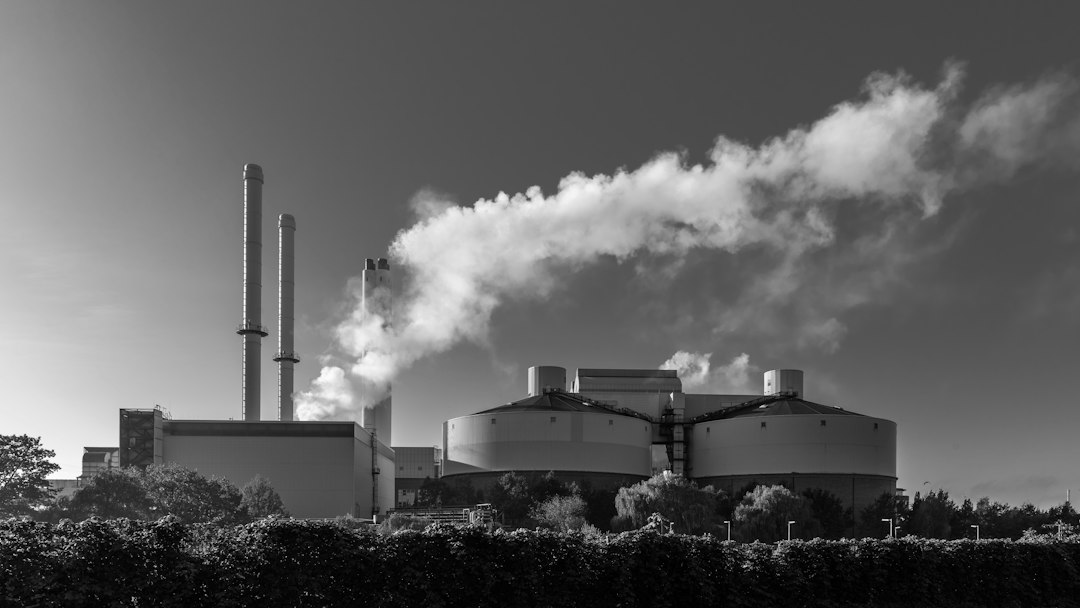
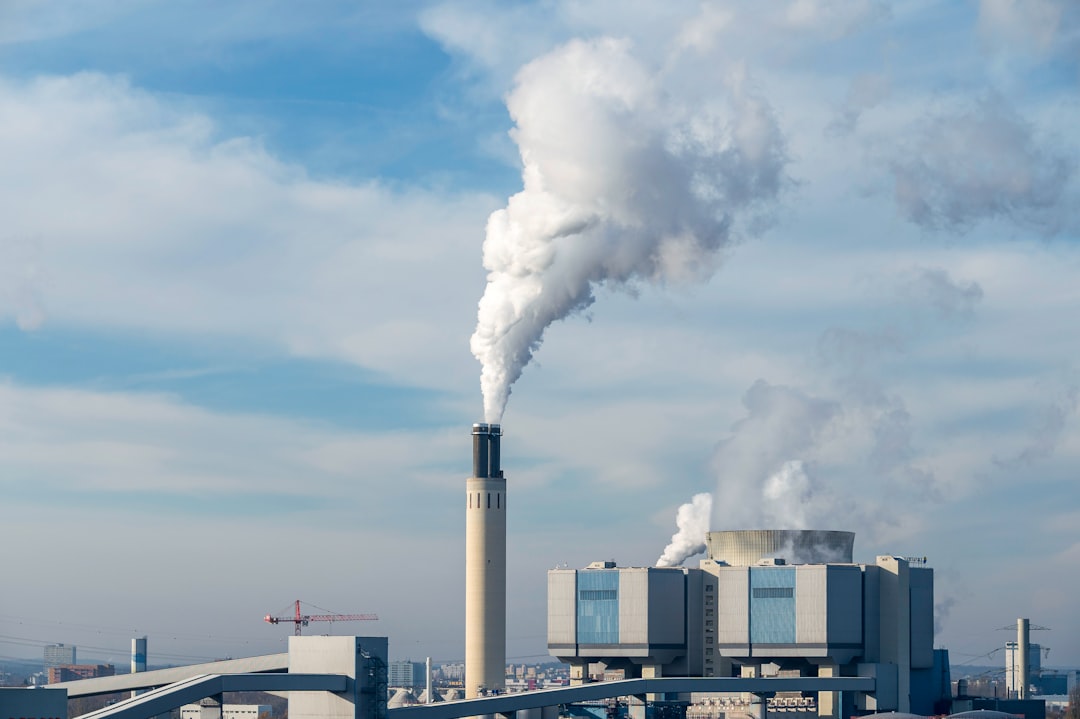
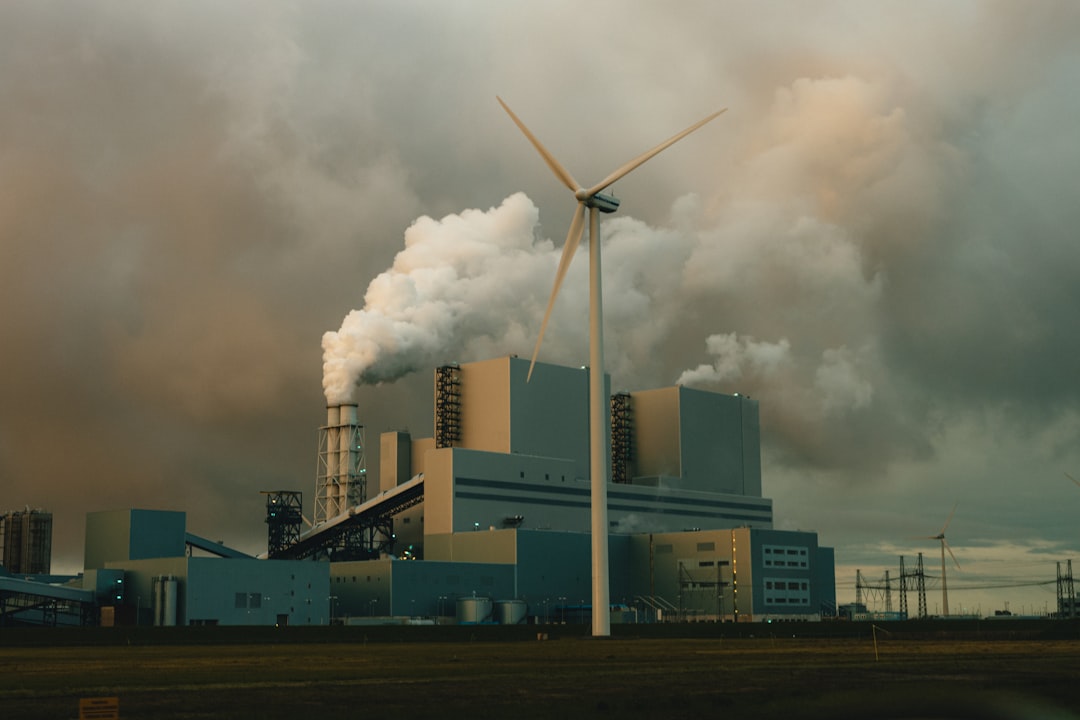
At Sluiskil, CO₂ generated during ammonia synthesis is captured at source, liquefied on site, and transported by ship to subsea storage infrastructure off the Norwegian coast. The 800,000 t/yr capture rate sets a new commercial benchmark for Europe: for context, most operating industrial CCS installations globally handle well under 500,000 t/yr. Critics of CCS — and there are many, including voices within the EU Parliament — continue to argue that the technology risks becoming a ‘delay tactic’ that prolongs fossil-fuel dependency rather than driving genuine decarbonisation. The Sluiskil project answers that objection partly by operating on an industrial process (fertiliser production) where direct electrification offers no near-term substitute for the carbon-intensive Haber-Bosch chemistry.
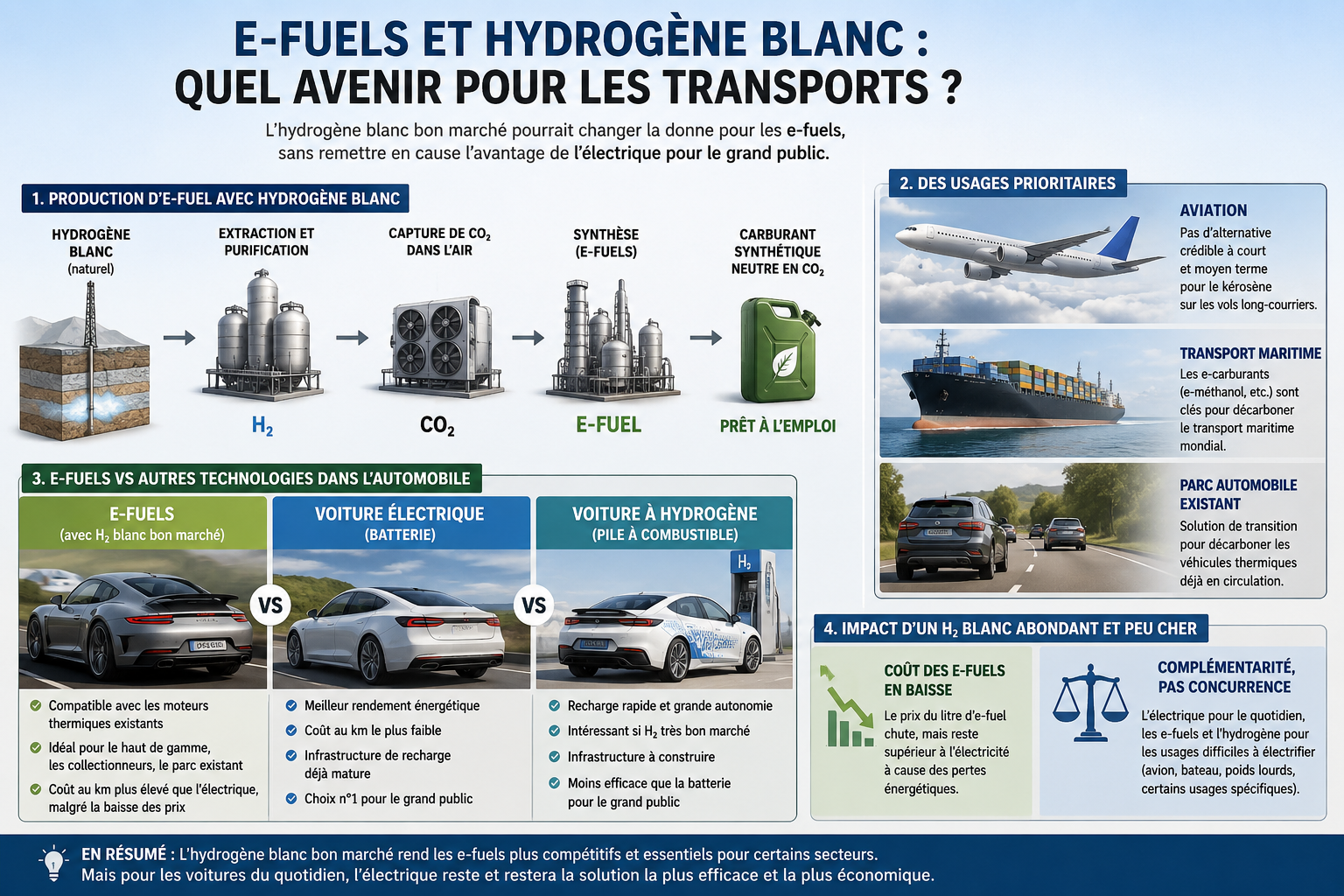
For the synthetic-fuels and green-hydrogen sector, the significance runs deeper than headline tonnage. Large-scale CO₂ capture infrastructure is a prerequisite for power-to-liquid e-fuels: electrolytic hydrogen is only half the feedstock equation — a reliable, low-cost CO₂ stream is the other. Projects like Sluiskil demonstrate that gigaton-class CO₂ logistics — capture, liquefaction, shipping, injection — can be engineered and operated commercially, de-risking the supply side for future e-fuel producers.
Industry and Regulatory Implications
The timing is pointed. ReFuelEU mandates accelerating e-SAF sub-targets through the 2030s, and the European Commission is already under pressure from an industry coalition — which issued an open letter on 16 September 2026 — over accounting loopholes that could allow green hydrogen used in conventional HEFA/HVO hydrotreatment to count toward the e-SAF sub-mandate. Whether the CO₂ captured at facilities like Sluiskil eventually feeds dedicated PtL e-fuel synthesis will depend heavily on how those regulatory definitions are drawn. AI-driven demand modelling is increasingly being used by project developers and offtake counterparties to stress-test CO₂ supply scenarios against varying ReFuelEU compliance trajectories, helping to size capture and transport infrastructure before final investment decisions.
From a compliance standpoint, the Sluiskil pathway — where CO₂ is geologically stored rather than utilised — counts toward Yara’s Scope 1 reduction targets and contributes to EU member-state carbon accounting, but it does not itself generate the recycled-carbon fuel (RCF) credits that e-fuel producers need. The distinction matters for project finance: CO₂ utilisation (CCU) and CO₂ storage (CCS) attract different revenue streams and regulatory recognition under RED III and the emerging EU Carbon Removal Certification Framework.
What Comes Next for CCS and CO₂ Utilisation
Yara Sluiskil is a proof of concept at commercial scale, but the sector’s next challenge is cost reduction and replication. Shipping liquefied CO₂ from the Netherlands to Norway is logistically intensive; pipeline infrastructure would reduce per-tonne costs significantly for high-volume, long-duration projects. Meanwhile, the parallel track of CO₂ utilisation — converting captured emissions directly into synthetic methanol, e-methane or liquid e-fuels — is advancing through projects such as the CAC METHAFUEL® pilot at TU Freiberg, which reached 300,000 litres of synthetic gasoline under the DeCarTrans programme and is targeting a first commercial plant at 75 million litres per year by 2029. Together, storage and utilisation pathways are complementary: storage addresses hard-to-abate process emissions; utilisation closes the carbon loop for transport fuels where a CO₂ feedstock is structurally required.
Sources
Featured image via Unsplash.
This is not an official site. It is published by a private company and does not emanate from any public authority, institutional programme, government department or research organisation. It represents none of them and speaks for none of them in any capacity.
Nature of the content. Articles are documentary summaries drawn from cited public sources. They may contain inaccuracies, omissions or information that has since become outdated. No financial, technical, legal or investment advice is provided.
Always verify against primary sources. For any information concerning a public programme, a regulation or an institutional project, only the publications of the competent authority are authoritative.
© 2026 BESS Energie SRL · BCE 0698.949.732 · info@bess.be



Leave a Reply